IN THIS PART OF THE WORLD, our climate places us in a position where we enjoy the beauty of nature, even more than other parts of the world. With the rich, lush vegetation that comes as a result of tropical climate,


IN THIS PART OF THE WORLD, our climate places us in a position where we enjoy the beauty of nature, even more than other parts of the world. With the rich, lush vegetation that comes as a result of tropical climate,
IN THIS PART OF THE WORLD, our climate places us in a position where we enjoy the beauty of nature, even more than other parts of the world. With the rich, lush vegetation that comes as a result of tropical climate, we can count ourselves lucky to experience a warm, somewhat hot temperature at some points in a year, and also to experience a dry, continental air mass, popularly known as harmattan, that comes in from the Sahara desert. Unfortunately however, there is a bad side to having a versatile climate in the hot region that is Africa. It is sad to say, that our temperate region makes us more susceptible to certain diseases and illnesses, more than several other countries in other parts of Africa, and even other continents. For years on end, West Africa and even some other African countries have suffered illnesses that seemed only endemic to Africa. This is not to say that records of such illnesses have not been found in other regions outside of Africa, it goes beyond reasonable doubt, to say that such illnesses or diseases originated in Africa and have lingered on for far too long. Even at the mention of the name of any of these diseases, the thought will always come back to our African region as its starting point.
For years, western Africa has had to deal with diseases such as malaria, typhoid, cholera, yellow fever, dengue fever and many more. One of the major reasons why these diseases seem to thrive in western Africa is predominantly due to the warmer temperature, and this makes the pathogens responsible for these diseases thrive abundantly. With a more careful look at these illnesses, we can be able to see just how easy it is to be affected, even for outsiders. Although we may not be where we hope to be with better healthcare to fight these diseases, we are certainly not where we used to be.
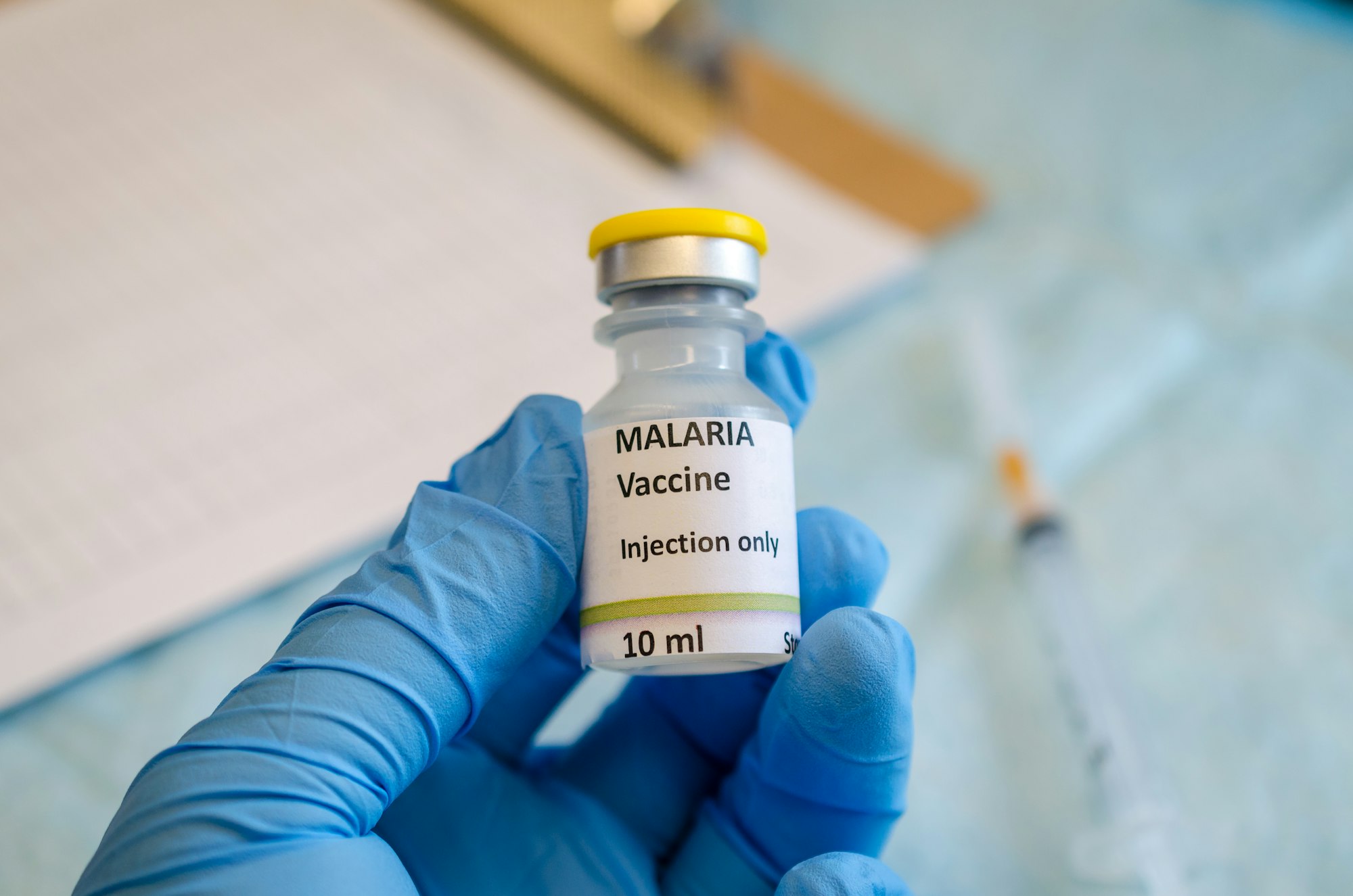
This is one illness that needs no introduction, and has spread to all parts of the world. It is recognised worldwide as a very dangerous and potentially lethal disease. In fact, there have been records of death caused by malaria illness, especially in younger children. To be more precise, statistics have shown that a child below the age of two, dies from malaria every two minutes.
The records present about malaria are alarming, and goes a long way to show just how dangerous and deadly malaria is. One of the disturbing facts about malaria is that one person can get infected multiple times, provided you reside in the region where it is rampant, or if you are a visitor to such areas.
In the list of diseases one is likely to get by visiting West Africa, malaria is found among the top 3, that is of course, assuming it is not at the top of the list itself. The problem of malaria has become so common that people often self medicate because it is most likely the case when they get tested anyway. As a disease that has attained worldwide recognition, it would be very helpful to know just how it is transmitted, the symptoms, and how effective treatments are.
Malaria is transmitted through the bite of an infected female anopheles mosquito. When a human is bitten by the infected mosquito, the parasite known as genus plasmodium enters the bloodstream. After about 10 – 15 days, symptoms begin to manifest in forms of fever, headache, cold, nausea, vomiting, fatigue, etc. In children, symptoms are much worse and can even include respiratory problems.
If treatment is not administered in about 24 hours or less, the individual’s condition worsens and they can die. Now, it is important to know that several people live in areas that make them more susceptible to malaria. To be precise, about two- thirds of the world population live in areas that have been proven to be risk areas. Of course, this includes West Africa, but it also means that malaria has taken root outside the African continent. This automatically places almost everyone at risk of getting sick.
Although everyone is at risk of getting infected with the plasmodium parasite, some are at greater risk than others. Different classes or groups of people are in greater danger of having malaria, and worse these people are also at great risk of dying from it. Let us take a look at the following people that are at greater risk of being sick from malaria, either by living in those areas, or by simply visiting such areas: People who have little immunity against the disease, or those who are yet to develop full immunity against the disease like children. People who are visiting the area and have not been exposed to the disease before. Pregnant women whose immunity have decreased as a result of the pregnancy There are other people who may find themselves more susceptible to malaria besides the ones mentioned.
Even though malaria was previously seen as disease that affects poor people in poor regions, it has spread to almost all corners of the world. The constant transmission of malaria in Western Africa, stems from the warm temperature and swampy/muddy lands that encourage the breeding of mosquitoes all though the year.
Way forward
The effects of malaria, and its’ transmission has been greatly hammered down over he past decades, but it has not been eliminated completely.
Although millions of people have died over the years from malaria, these death tolls have been greatly reduced and controlled by recent medical improvements. In fact, the mortality rate of malaria has dropped by 44% from 2010 – 2020. It may not be much, but it is definitely an improvement.
Like malaria, this is another disease that is very common in Africa, mostly so in west Africa. Typhoid fever is not just a common occurrence in the western part of Africa, but it is a common disease in most developing regions.
General outlook on typhoid fever
The typhoid fever is caused by bacteria known as Salmonella typhi. The bacteria responsible for this disease, thrives in contaminated water and food. There is no surprise there, as contaminated water and food sources are a common phenomenon in several parts of West Africa and Africa as a whole. In this part of the world where quality and clean water is often hard to find, it will not be so shocking to discover that typhoid fever is a huge health problem. Typically, it is very common for the bacteria to find its way into the body. For example, travellers and just about anyone, can pick up the bacteria by ingesting food or water that has been contaminated by the feces of an infected person. Generally, this means that the Salmonella typhi is passed out in the feces, and in some cases, the urine as well. When the bacteria gets into the body, it takes anytime from one to three weeks before symptoms like intense headache, pain in the stomach, fever, and diarrhea begin to manifest. The problem is not just the fact that harmful bacteria is easily accessible in these regions, the problem also includes that several people choose to self- medicate, and will abandon full treatment once they start to feel better. Sadly, typhoid fever can get more complicated if not fully treated, and the individual may find themselves experiencing further symptoms like fever or body temperature fluctuating daily to about 40.5°C, severe diarrhea, pains in the muscle, swollen stomach, emaciation etc. If further treatment is avoided, it progresses to delirium, exhaustion and finally…death Additionally, there are factors that can expose an individual to the typhoid bacteria. Know that these factors are not only limited to people who stay in the region of contaminated water and food, but can include anyone from a microbiologist handling the bacteria, to a person who maintains close relationship and contact with a person who is infected.
Way forward
Every year, about 27 million people all over the world are affected by typhoid fever. Additionally, it is also estimated that about 400,000 people in Africa alone are affected by typhoid in a year. In the midst of all this, one of the greatest challenges experienced in the issue of typhoid fever in West Africa is the diagnosis problem. Basically, improper diagnosis leads to inappropriate treatment and management of this disease. The treatment for typhoid exists in the form of vaccines, however they are not exactly 100% effective. For it to be effective and completely reliable, both vaccines will have to be accompanied by immunizations, especially if you live in a high-risk area or you plan to visit anytime soon. One of the vaccine is administered in one shot, while the other is a capsule, and has to be taken orally whereby one capsule is taken daily for four days.
CHOLERA
In the western region of Africa, there are several other diseases, parasites and bacteria that one can pick up unknowingly, albeit just by being in the area. However, cholera is one of the illnesses you can easily get if you are not being careful with what you drink, especially water. Like typhoid, cholera is transmitted through a bacterium called Vibrio cholera, present in contaminated water or food. Even though cholera was a serious health problem in almost all parts of the world back in the1800s, it was slowly but consistently eradicated in developed countries by the treatment of water and better sewage systems. This predominantly cut off the breeding source of the bacteria, and eliminated its spread. Unfortunately for this part of the world, it has remained a lingering issue due to poor water treatment and even worse states of water sources. The outbreaks of cholera in different parts of the world has reduced and dwindled significantly, but this has not changed the status of cholera as a serious health issue in developing regions like Africa. According to statistics and reports, cases of cholera climb up to 4 million every year.
This disease is very similar to typhoid on several counts as they are both transmitted through a bacteria that thrives in contaminated water and food. This makes the rural regions of West Africa a very good site for such transmissions. People who are affected can begin to experience symptoms in a very short time like few hours after infection, while some others only notice symptoms days later. Nonetheless, the symptoms are rarely mild, because the bacteria releases toxin in the intestine that causes severe diarrhea. Major progression of cholera is dehydration as affected individuals lose body fluids through watery fecal matter. Every other complication that arises is as a result of the dehydration, and can include increased heart rate, thirst, drop in blood pressure and muscle cramps. A person can die from this illness in a matter of hours if treatment is not taken seriously.
“While West Africa still faces challenges in eradicating diseases like cholera, dengue, and typhoid, progress has been made in reducing mortality rates over the past decade. Protecting natural water sources is key. Let’s continue striving for a future free of these illnesses. #HealthForAll #ProgressInHealth #CleanWaterForLife”
Way forward
Fortunately, there is a vaccine for cholera, and there are guidelines on how they must be used. Additional health practices like proper hygiene, consumption of safe food and water, etc, must be implemented and maintained for treatment to be effective and permanent.
Furthermore, any infected person should not hesitate to see the doctor for medical treatment.
As sad as it may sound, the western part of Africa has a long way to go in eradicating these common illnesses and more. If the sources of natural water can be protected, cases like cholera, dengue fever, and typhoid fever will not be such a huge problem. It would be unfair however, to think we have not made progress. If we are to be honest with ourselves, significant progress has been made in the last decade. Mortality rates of each of these illnesses have dropped as compared to years before. Nonetheless, we can only hope for a better future where we are able to live free of these diseases.

There is a new trend on social media these days. And while this trend often makes me proud, it also makes me sad at the same time. I’m talking about young black people from West Africa leading their classes and being valedictorians in Harvard, Yale, Sheffield and other Universities and schools in the UK, US, …
From Underfunded national leagues and abysmal performances on the international stage to Gross Mismanagement of Funds by Troubled Associations, Africa’s Football Associations have not had it easy over the years. In Present Day, Sports, – and Football in particular, have intimately become interwoven with the developmental issues of the continent.

Ipolowo oja l’agunmu owo is a Yoruba adage that translates to; promotion is the magic potion for business, and this is true for the sports business. Sporting events are organized throughout the year in Nigeria and West Africa, yet, these events are held with little or no relevance; stadiums are nearly empty, there is insufficient …

Extraordinary! That’s the word that best describes the performance of certain African countries in the 2022 Commonwealth Games and like we would always say, a win for one is a win for all. The 22nd edition of the Commonwealth Games officially known as XXII Commonwealth Games and commonly called ‘Birmingham 2022’ after the host city- …






Comments
annabrown
Thanks for sharing this information is useful for us.
cmsmasters
Always happy to be of service.
miaqueen
This is awesome!!!
cmsmasters
Thanks.